|
1
|
|
|
2
|
- Using MC relaxation to Study
- Motion of vortices.
- Sylvester Kofi Gyan
- Mentor: Dr. Gary Wysin
- Department of Physics, Kansas State University, Manhattan, KS 66506
|
|
3
|
- Vortices??
- Vortex excitations in nanodots have been studied a lot by
experimentalists and theoretical physicists
- These studies of magnetic nanodots usually had one hole/defect, usually
at the center of the system.
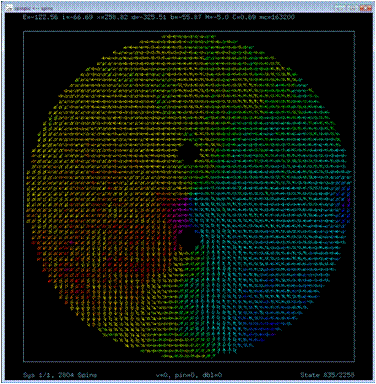
- I did my studies with two defects
in the magnetic nanodot, to study how the vortex motion, stability and
dynamics
|
|
4
|
- Nanomagnetics is a future
industry!
- Uderstanding of the stability and dynamics of vortices -> helps with
the development of high density memory devices.
|
|
5
|
- In our model we consider a thin
circular cylindrical nanomagnetic dot.
- Diameter= 100nm, thickness =10nm.
- Our disk-shaped nanodot has two vertical holes of equal radius, Rh
cut out of it, in a symmetric position.
|
|
6
|
|
|
7
|
- Spins interact in two main ways
- Exchange Interactions
- And Dipolar interactions
- Short range exchange interactions are between nearest neighbour spins.
- The Exchange Hamiltonian, Hex = -J Σ Si · Sj,
where
- J is the exchange coupling strength.
- Si and Sj are
any nearby spins close to each other.
|
|
8
|
- Dipole-dipole interactions, which are weaker and long-range forces.
- Dipolar interactions are given by
- ->Hdd = (μ0/4π) Σ[3(μ·rij)(μ·rij)-
μi·μj]
- rij3
- Where rij is the
displacement between any two spins Si and Sj.
|
|
9
|
- And μ is the magnetic dipole moment of any atomic spin, given by μ
= g μBS
- Where
- g -> Landé g-factor
- μB-> is the Bohr Magneton
- S-> is the Spin length
- Total Internal Energy =Hdd +Hex
|
|
10
|
|
|
11
|
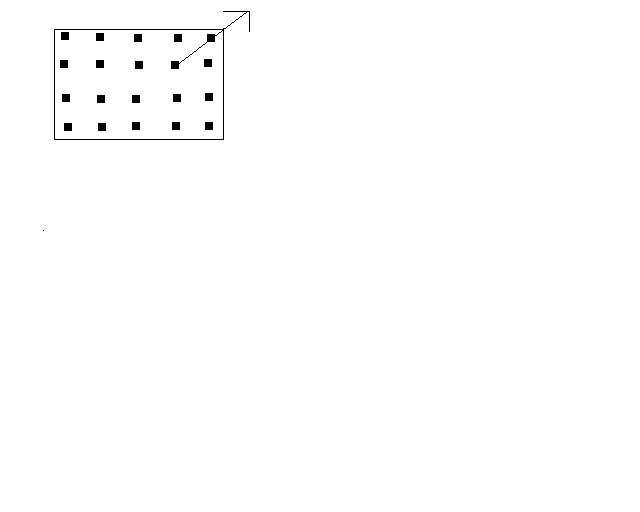
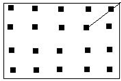
- Image
- There are blocks of cells, a model of one is displayed above.
- Each small square dot is an atom modelling hundreds /thousands of
magnetic dipoles.
- μcell averages out, approximately the dipole moment in each cell, μcell
=Nspins *μ
- Why the micromagnetics approach? Because MC simulation using the atomic
model is a challenge
|
|
12
|
- Using this approach, we consider the effective exchange coupling between
the cells to be
- Jcell ==(4lα/α₀)JS2
- The cell dipoles have an effective dipolar coupling, Dcell = (μ₀/4π)*μ2cell/α3
- δcell = ratio of the dipolar energy scale to the
exchange energy scale (Dcell/Jcell)
|
|
13
|
- Changing spin configuration
- Calculate the ΔE of the system
- Accept the Δ with a probability of
- p = min[1,e-ΔE/KT]
|
|
14
|
- Size matters? -> To experimentalists, and represents more realistic
simulations.
- We considered a thin circular cylindrical nanomagnet of cell
size(thickness), α=10nm, and diameter 100nm.
- δcell works out to be 0.0427.
- And a finite temperature of 300K
|
|
15
|
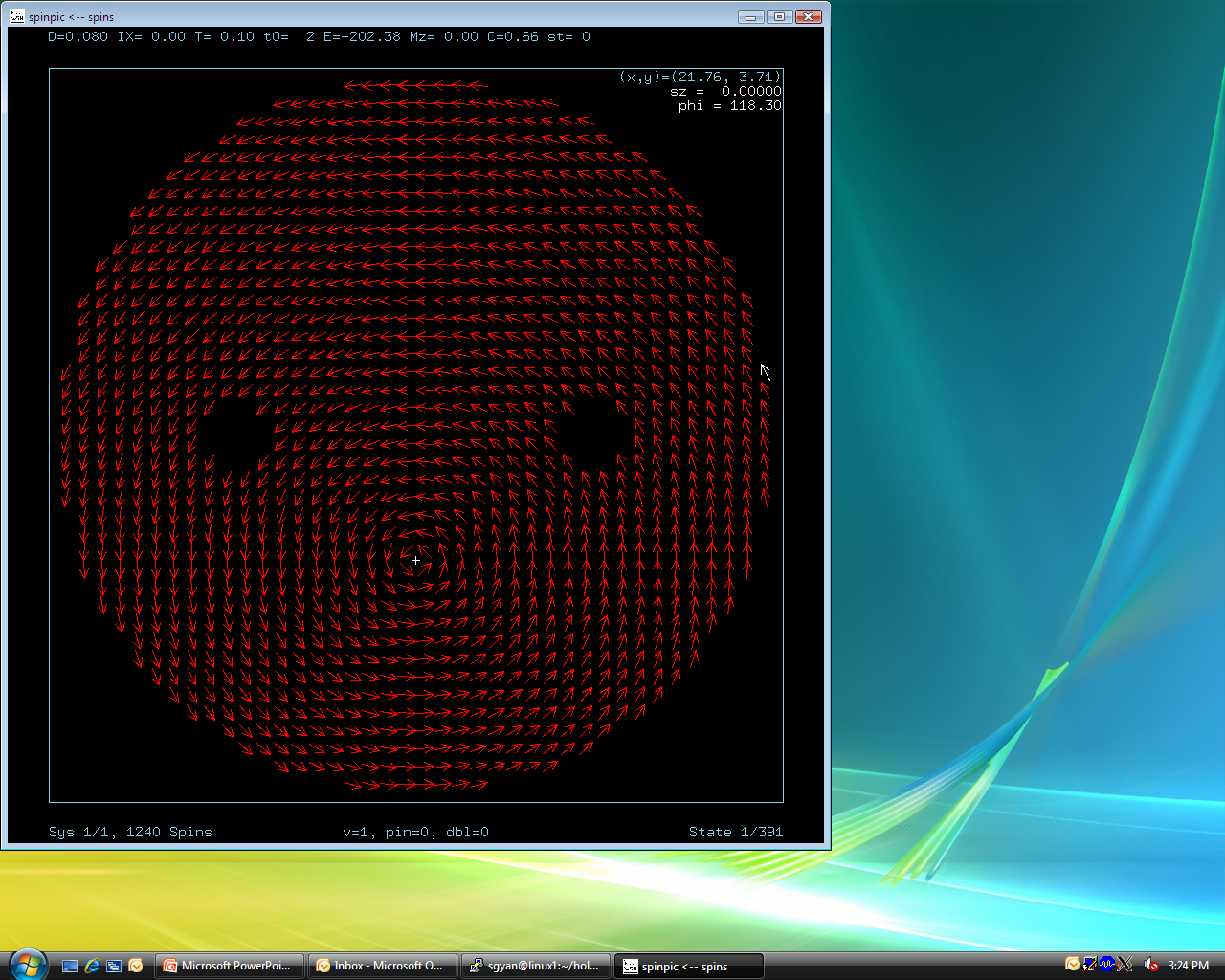
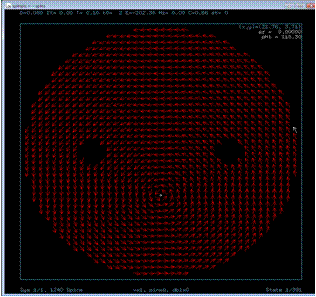
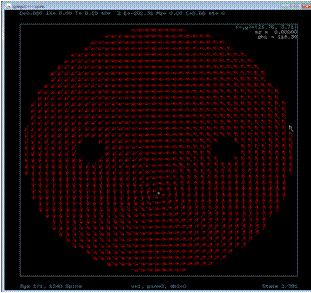
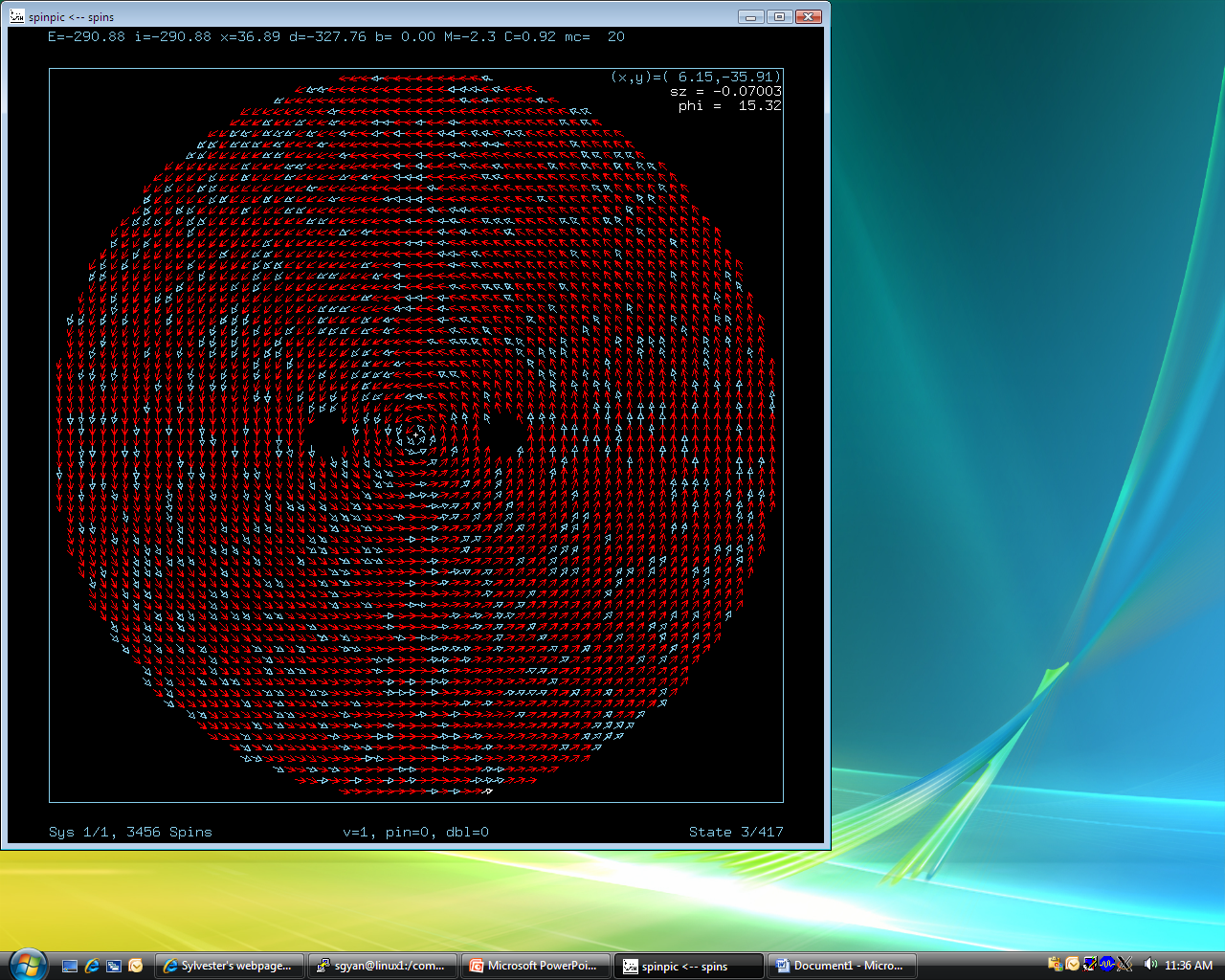
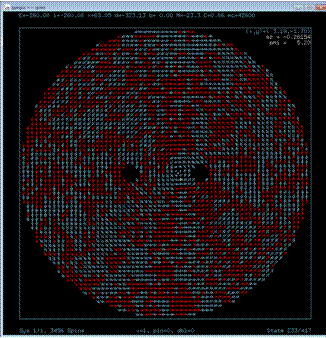
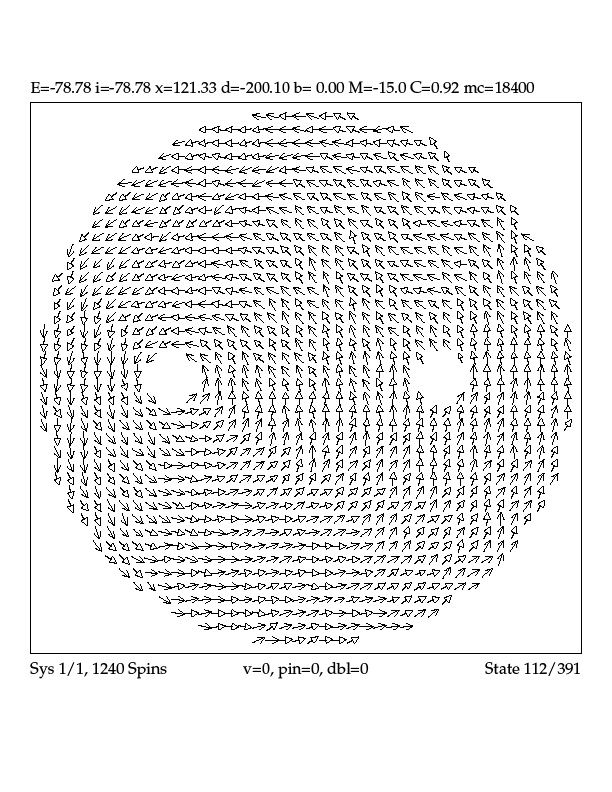
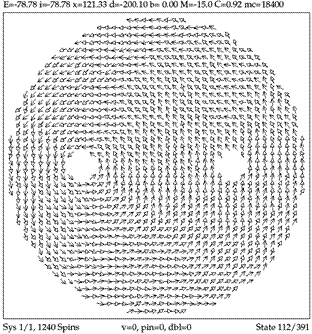
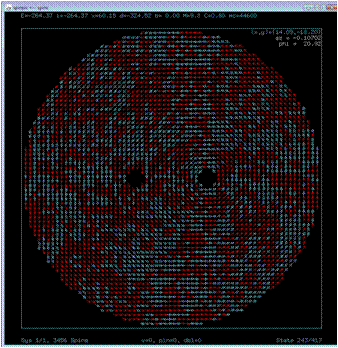
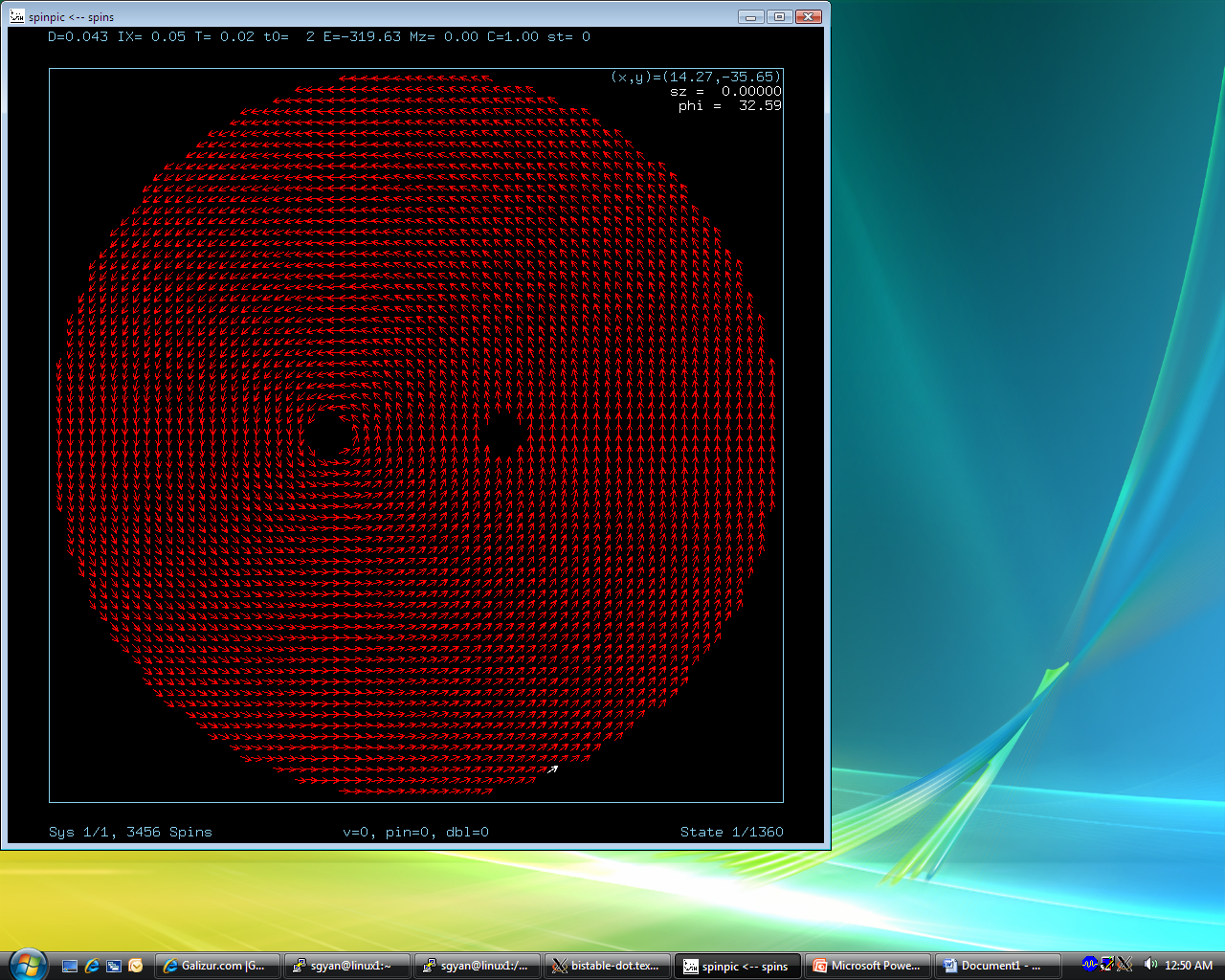
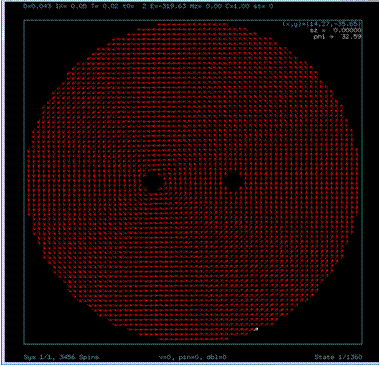
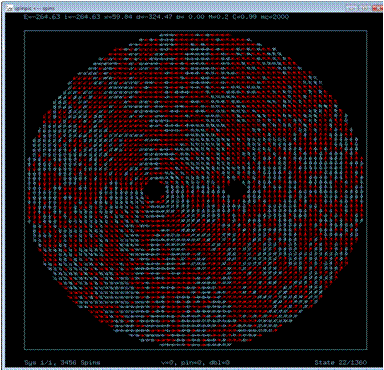
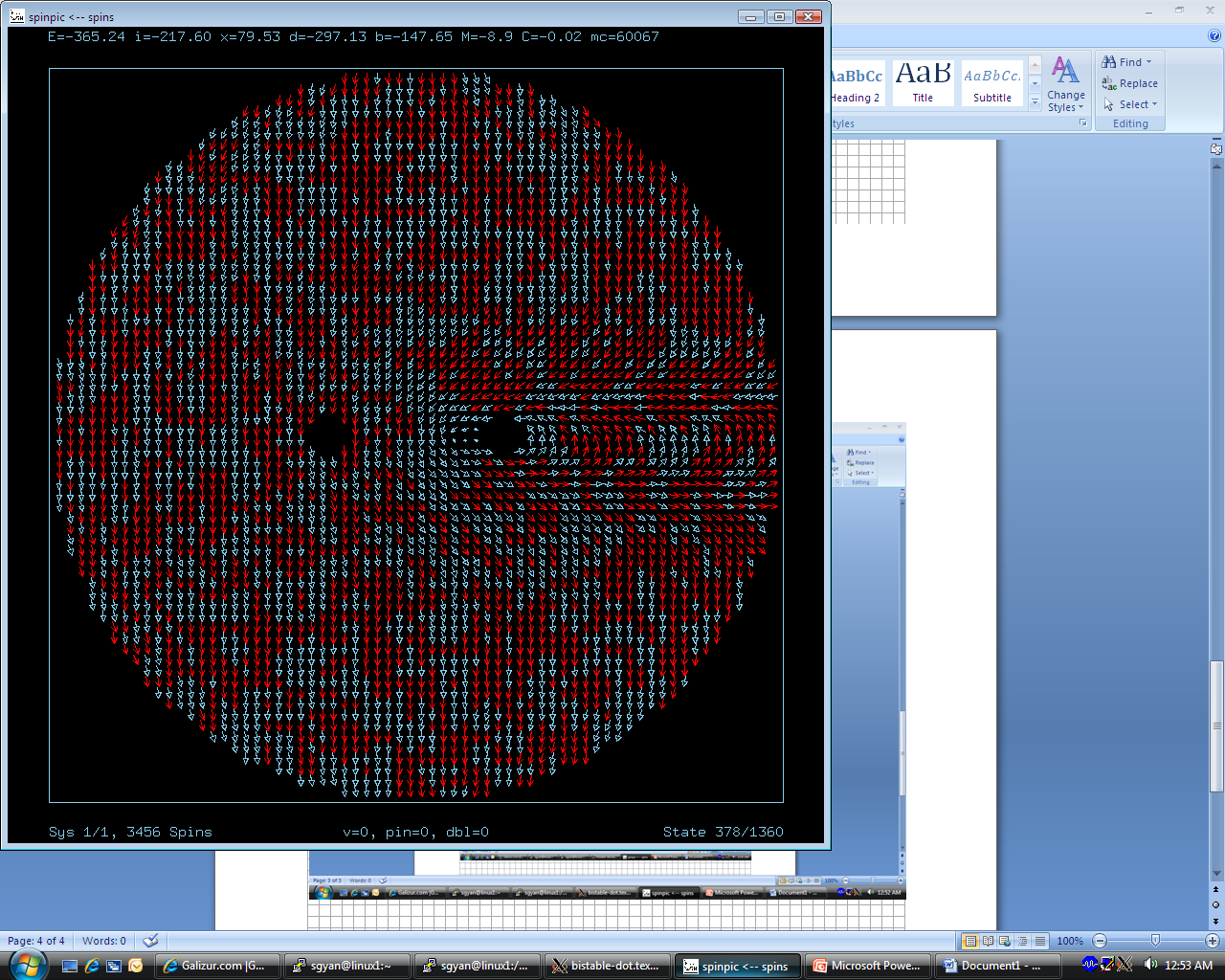
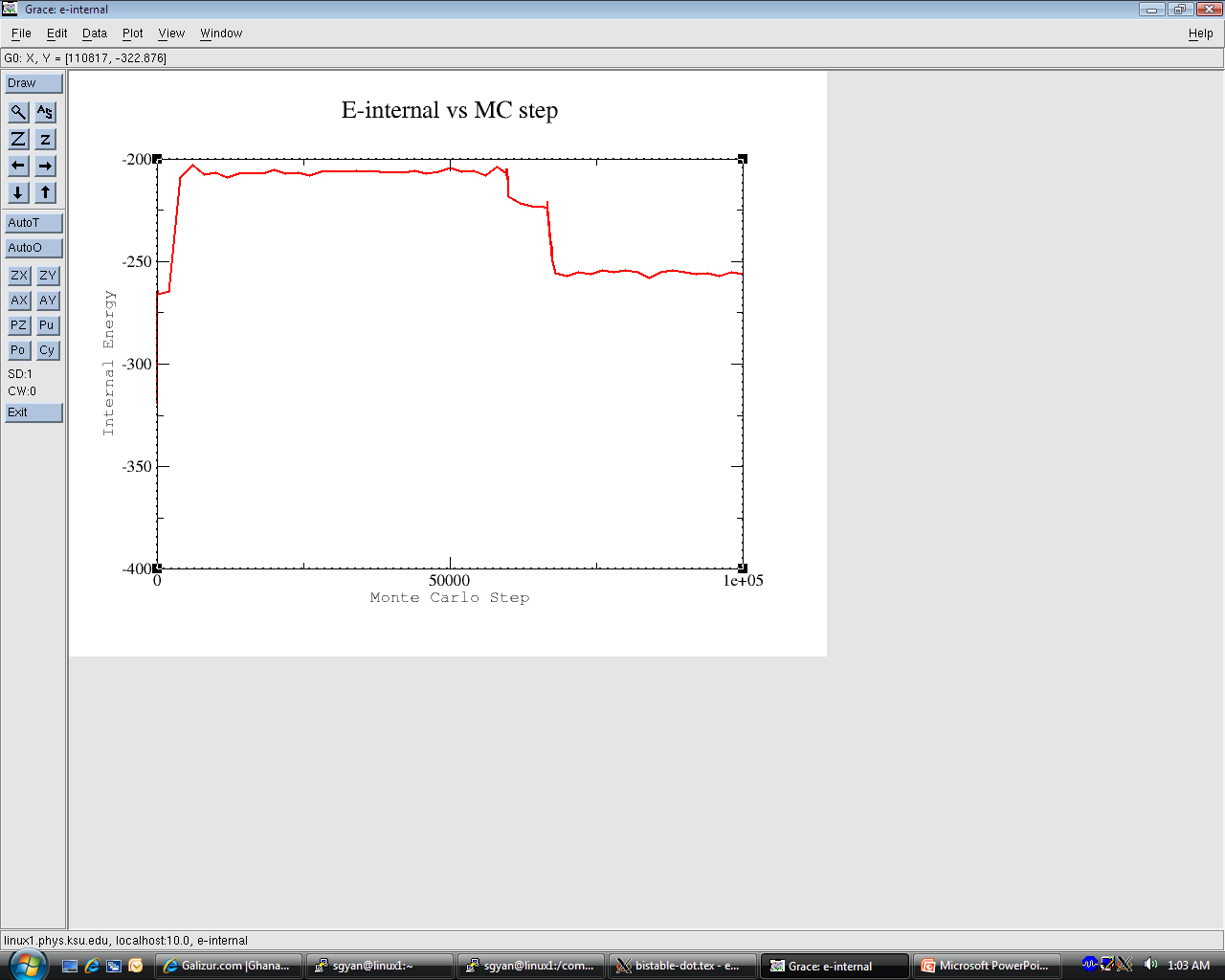
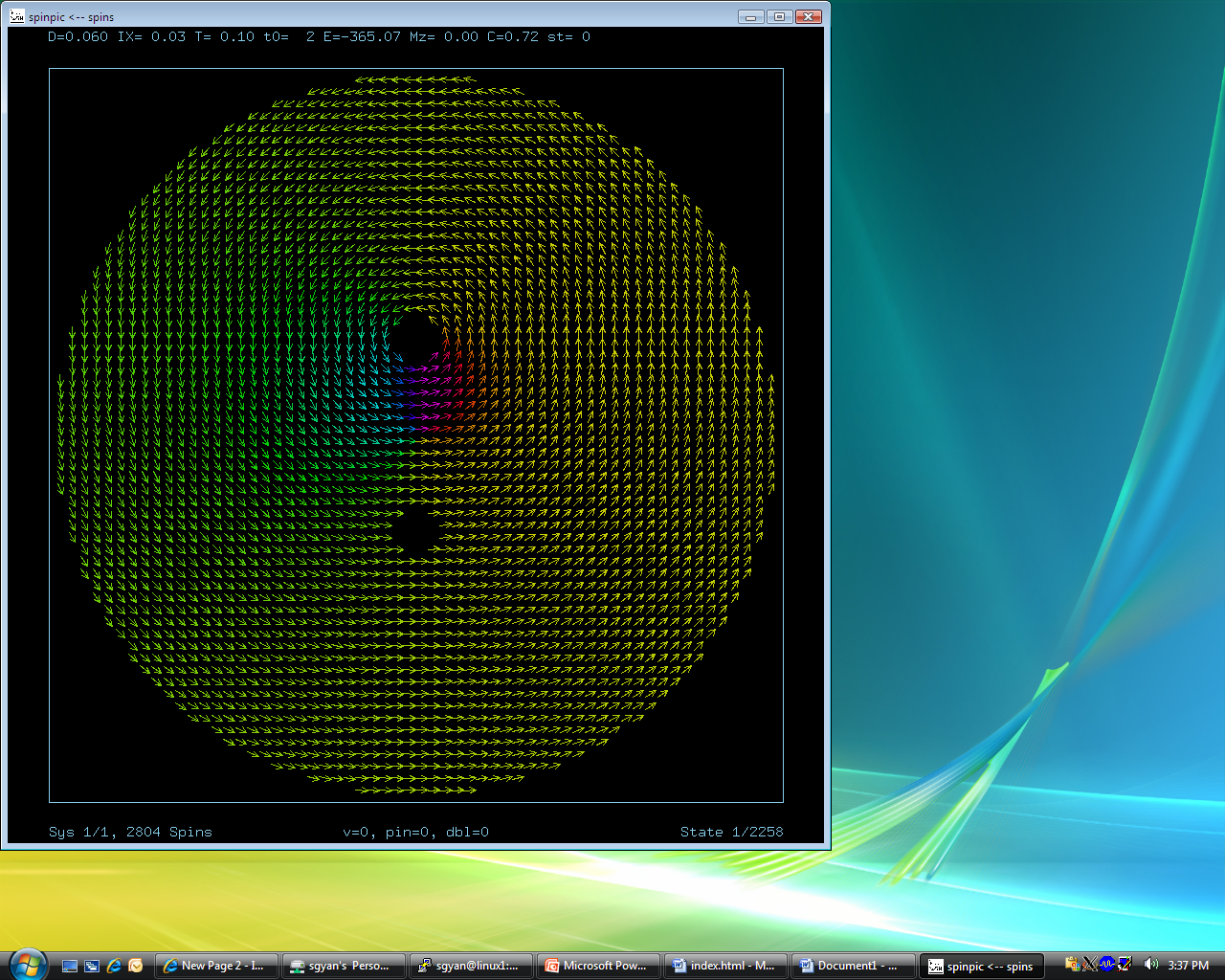
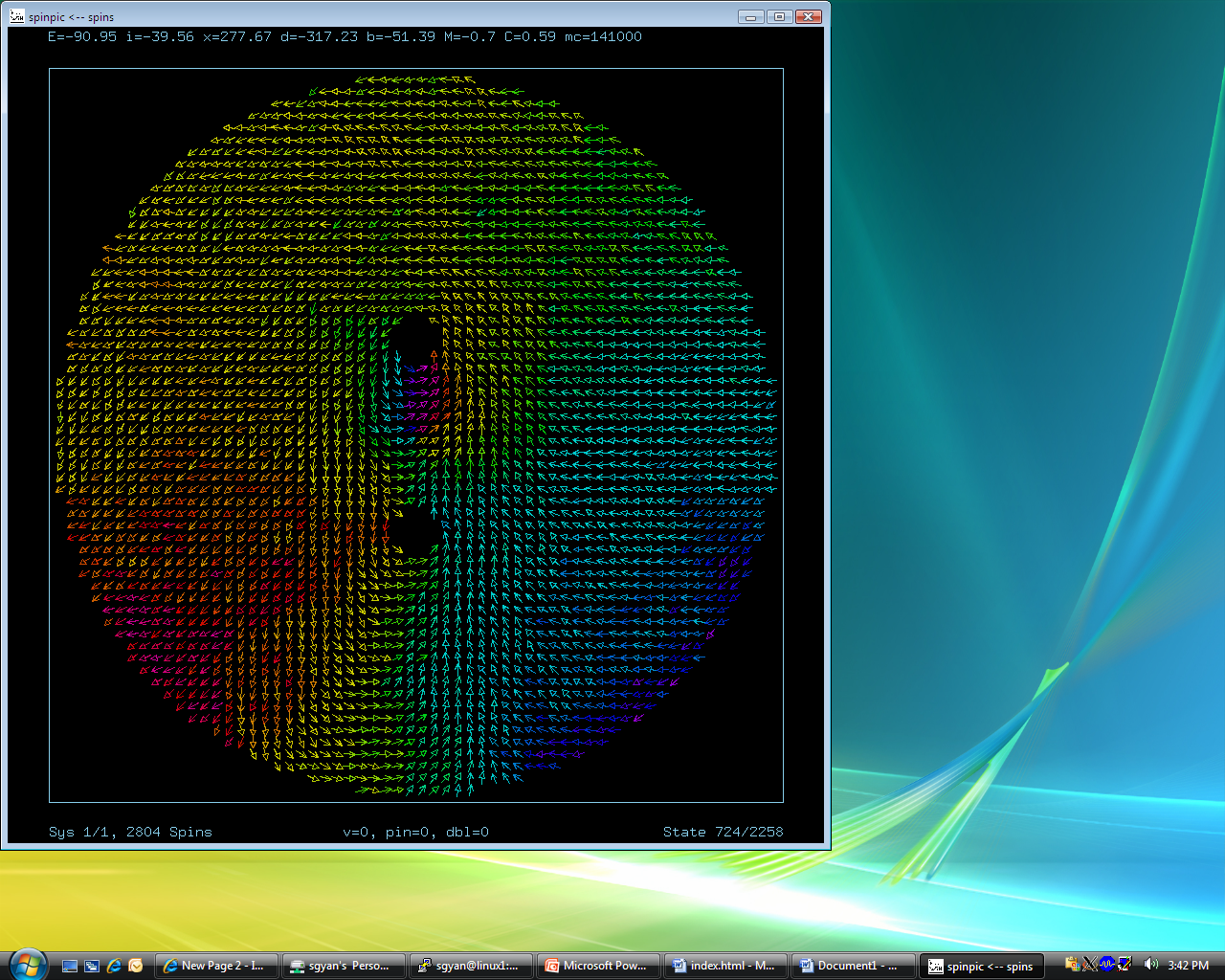
- Primarily interested in testing two scenarios
- Vortex attraction to a hole
- Sample test shown below
- Diameter of nanodot =100nm
- Cell size of 10nm
- Temperature of 300K
- δcell ==0.0427;
- No magnetic field
- Holes placed a distance of 8 lattice units from the center on either
side
- Random seeding number == 87942013
|
|
16
|
|
|
17
|
|
|
18
|
|
|
19
|
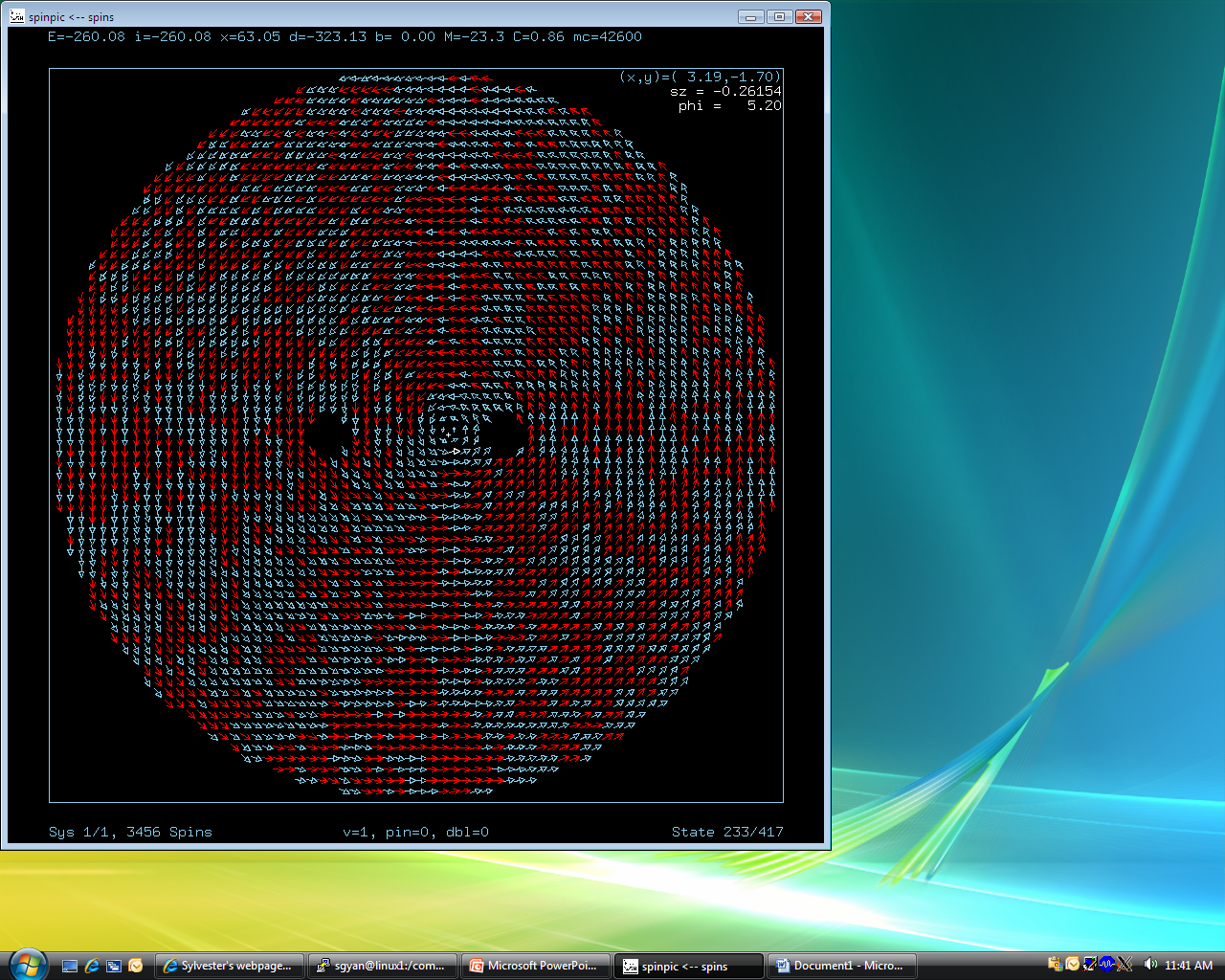
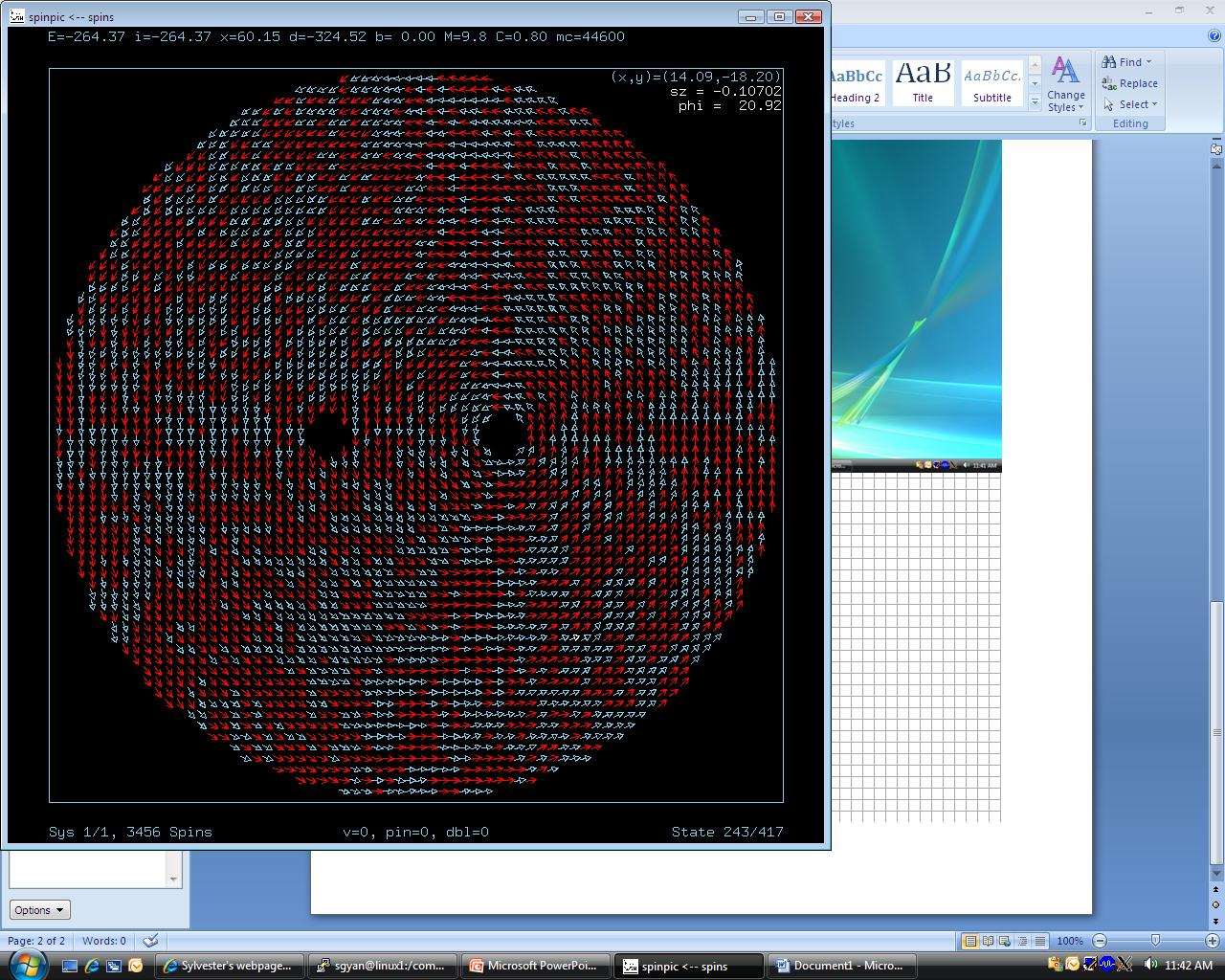
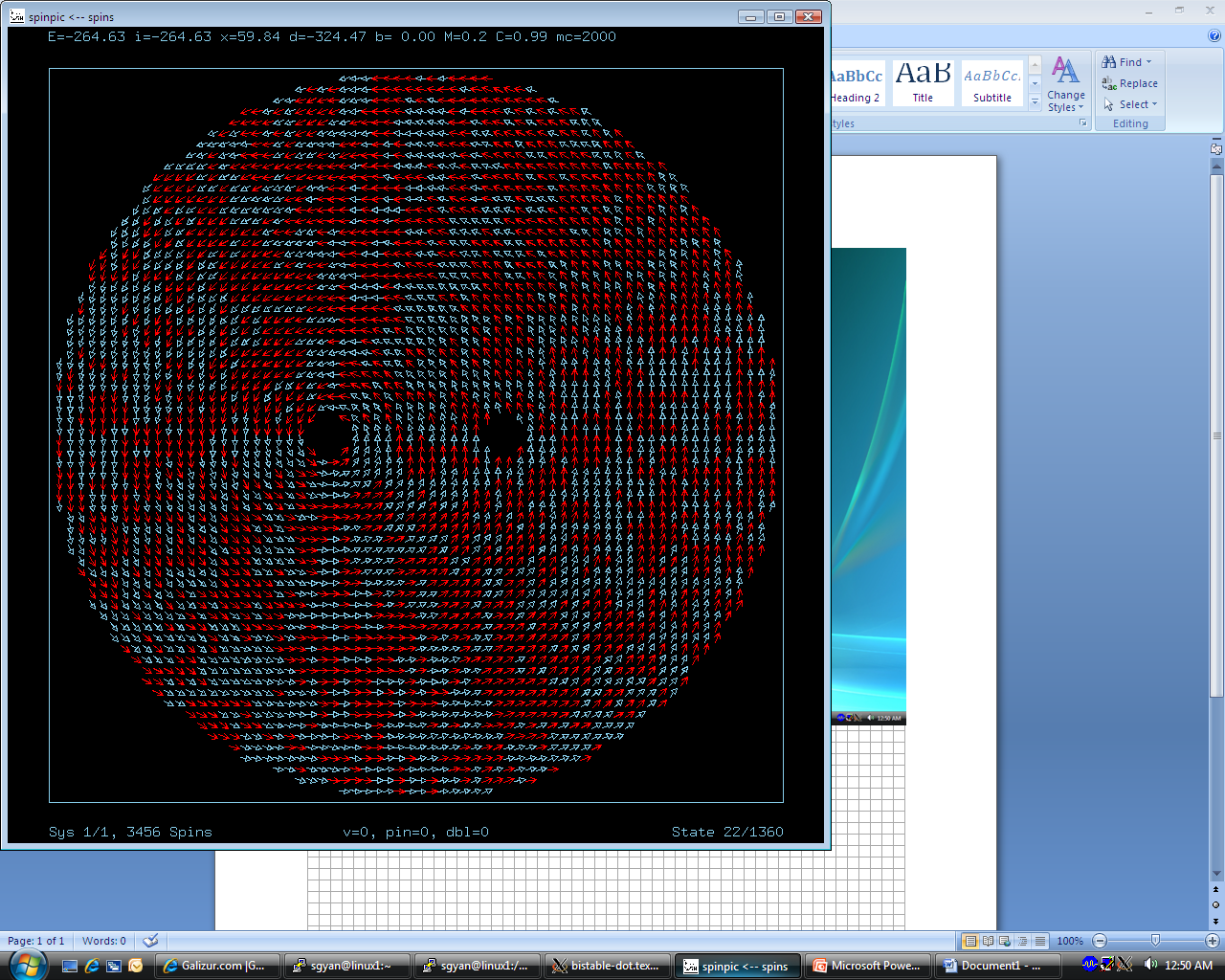
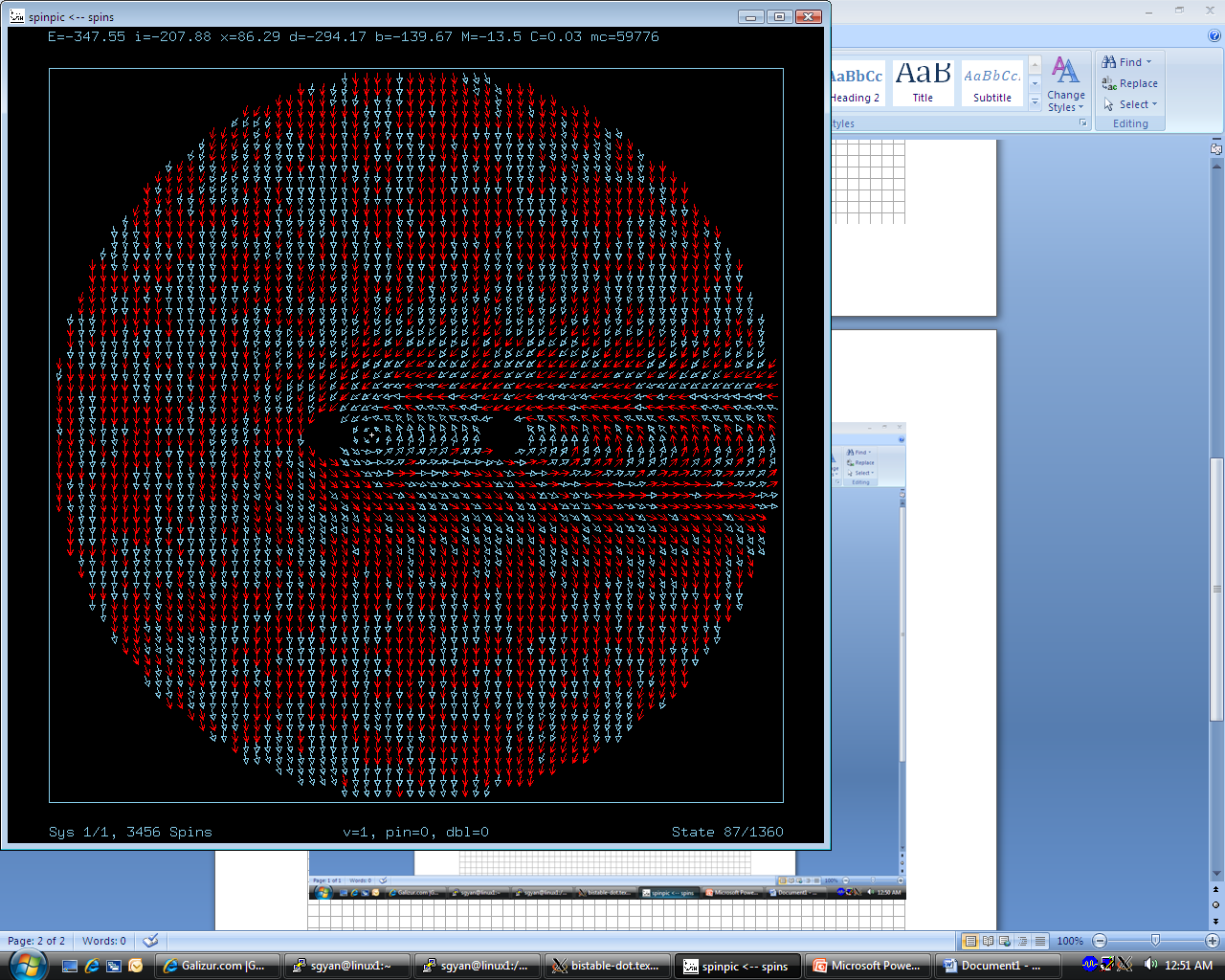
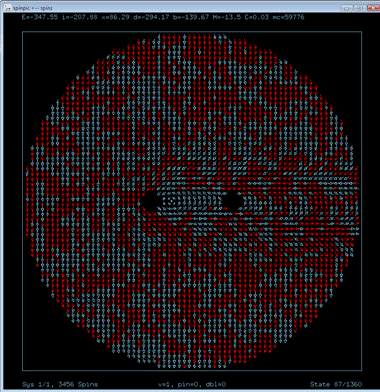
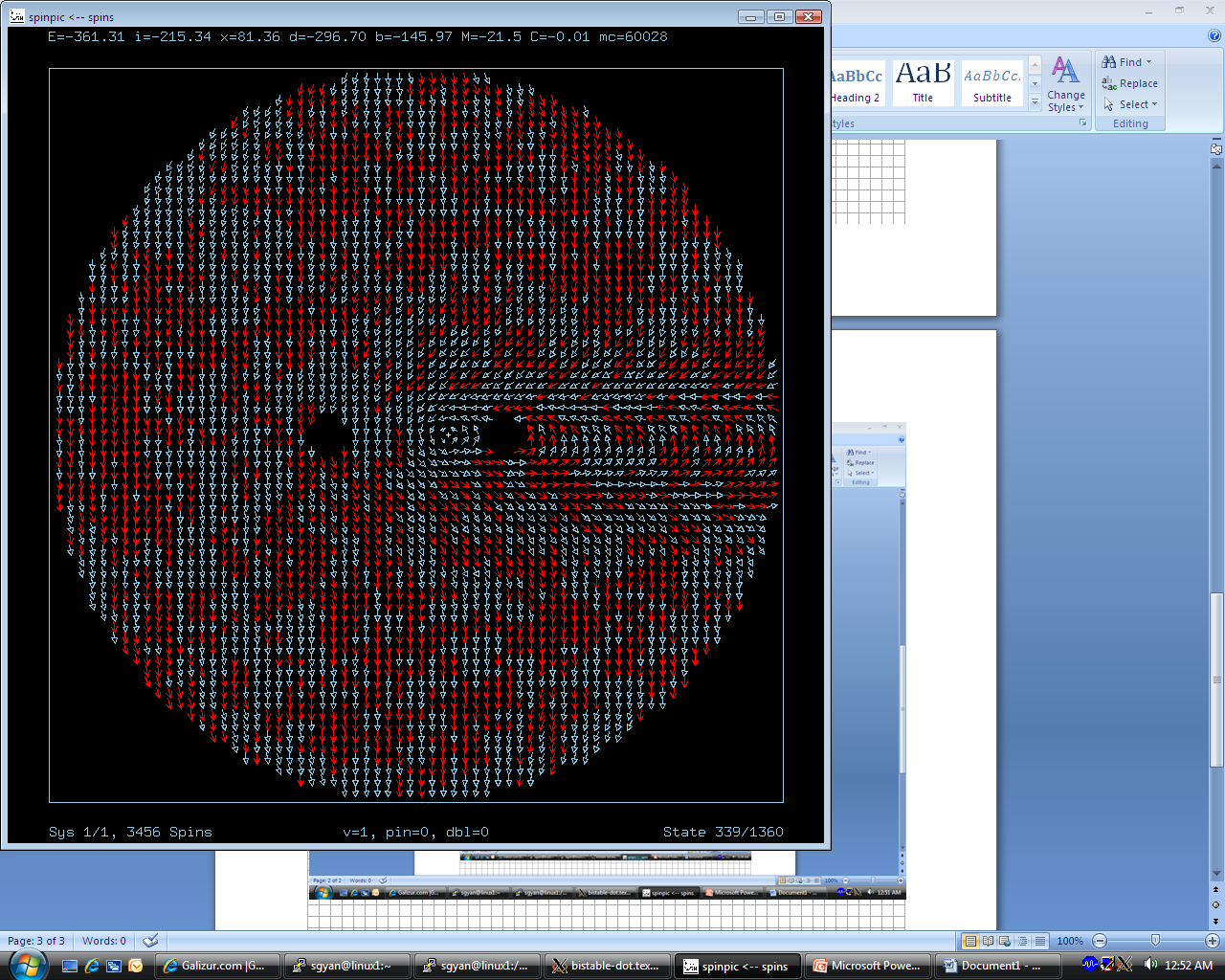
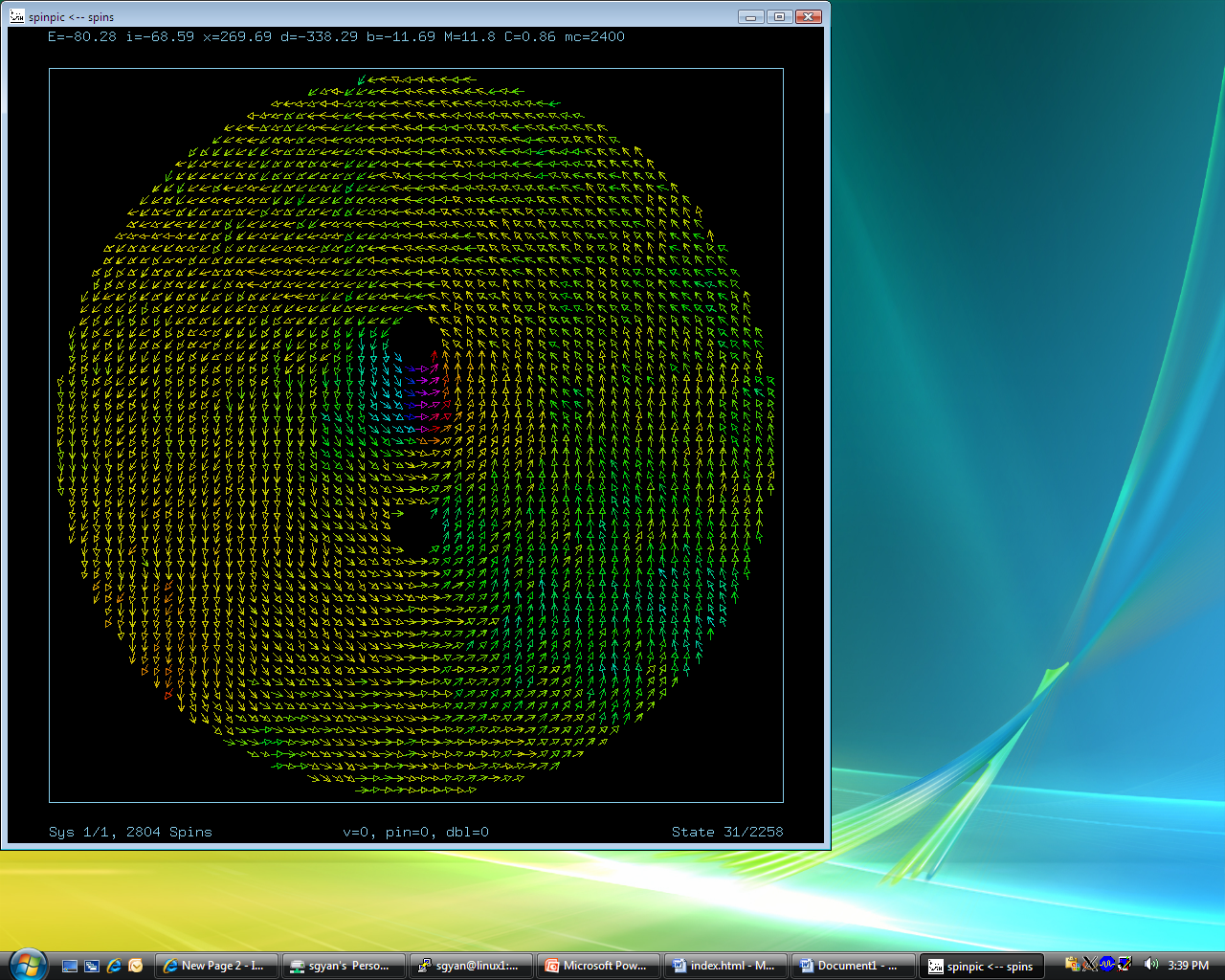
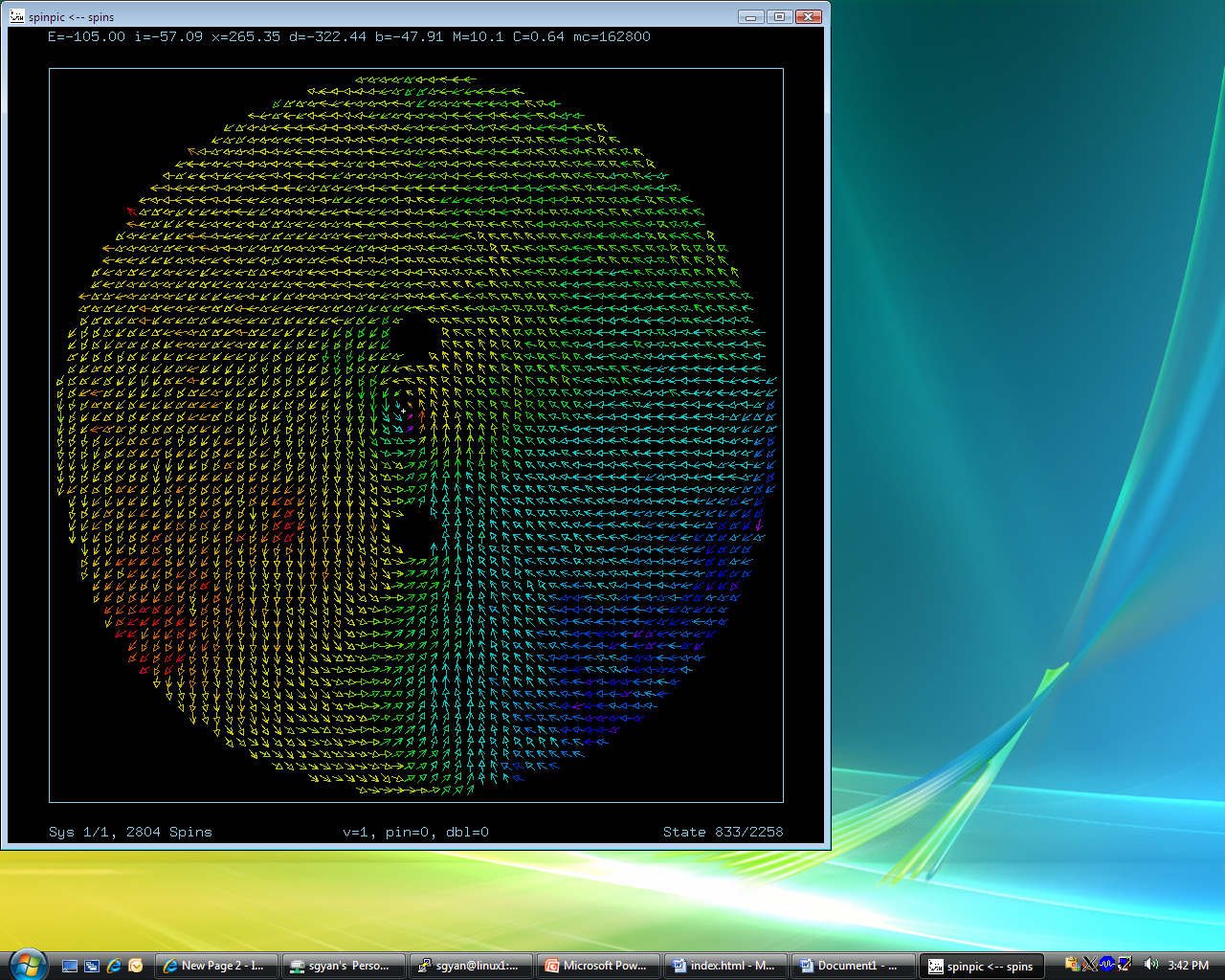
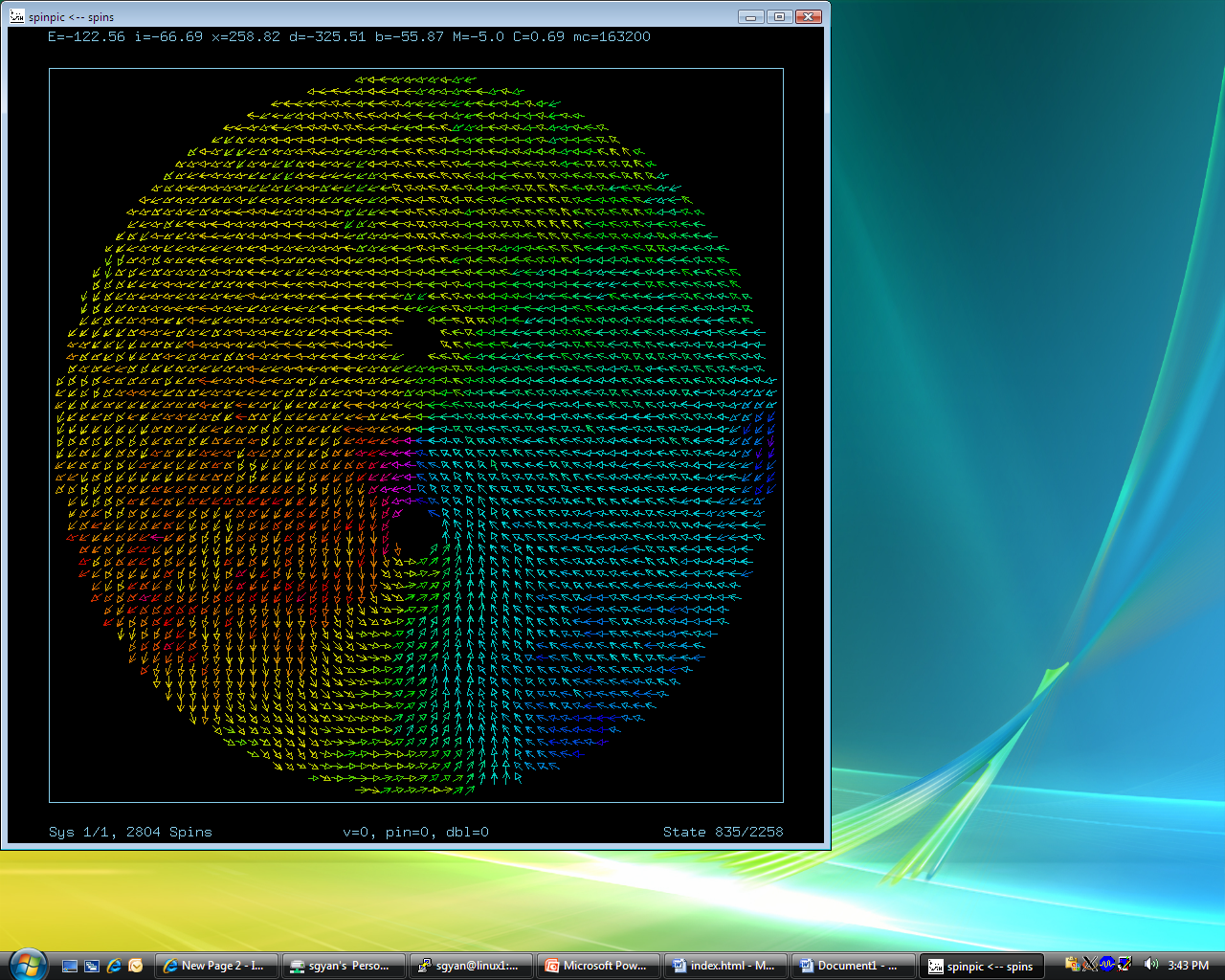
- Second test
- Vortex switching b/n holes.
- Magnetic field applied anti-parallel to vortex angle
- For the example below, a field of 0.05 was applied
- Diameter of nanodot ==100nm, thickness =10nm
- δcell ==0.0427, temperature =300K
- Field applied 270 degrees to the horizontal axis
- Seeding number of 710.
|
|
20
|
|
|
21
|
|
|
22
|
|
|
23
|
|
|
24
|
|
|
25
|
|
|
26
|
|
|
27
|
|
|
28
|
|
|
29
|
- Dr. Wysin
- Dr. Larry Weaver
- Dr. Korwin
- REU 2008 group
|
|
30
|
|
|
31
|
|
|
32
|
|
|
33
|
|
|
34
|
|
|
35
|
|
|
36
|
|

 Notes
Notes